SO, WHAT DO I NEED TO LEARN?
DRIVING ON THE ROAD
wHERE TO DRIVE
We drive on the left-hand side of the road so you need to keep your vehicle in the left lane at all times, unless passing another vehicle. This is the case on marked and unmarked roads, but it is even more important on unmarked roads so the cars on the other side of the road can pass. This is also important for defensive driving – many drivers in New Zealand stick close the centre line, which can create a bit of havoc when you meet another car coming the other way who is also hugging the centre line. The closer to the left side of the left lane, the better.
ROUNDABOUTS
When driving around a roundabout, you should check both the interior and exterior mirrors to ensure it is safe to go around, you should also check your mirrors when exiting the roundabout to check if the way is clear and to safely exit. Before entering a roundabout slow down your vehicle, stop or give way if it is required. While you are stopped or slowed, check the roundabout and exits for hazards to avoid before you encounter them.

INTERSECTIONS
When you’re driving up to an intersection make sure you don’t speed up if you see another car, instead, you can do it safely by checking for a safe and legal pathway, checking your mirrors, signalling for three seconds if turning and use brakes and gear changes if necessary. You can accelerate up to traffic speed when it is safe enough and you have crossed into the road that you want to be on. Remember to follow give way rules if they apply.
If there is a sign such as a give way or stop sign at your lane of the intersection you must obey it as it means other drivers have right of way. At a stop sign you must come to a complete stop and wait until you have given way to all other vehicles. If there is another vehicle at a stop sign too then use give way rules. When there is a give way sign you must slow down and prepare to stop to give way to all vehicles except those at a stop sign. If there is another vehicle coming towards you at a give way sign then use give way rules.

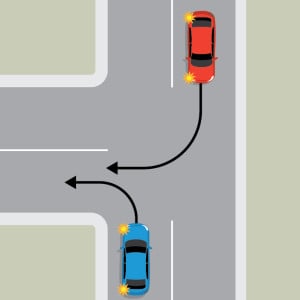
If you want to turn left then you’ll need to keep to the left-hand side of the road, slowing and checking for hazards before you turn and signalling for at least three seconds.
Right-hand turns can be a bit trickier to learn as there are different things you need to do depending on what kind of right-hand turn it is. Although, just like the left-hand turns you always need to check for hazards and signal for at least three seconds before you make the turn.
There are heaps of times where you’ll need to know how to make a turn under different road conditions, like flush medians, so you’ll really need to study up using the road code and some interactive examples to help in different situations!
sTOPPING
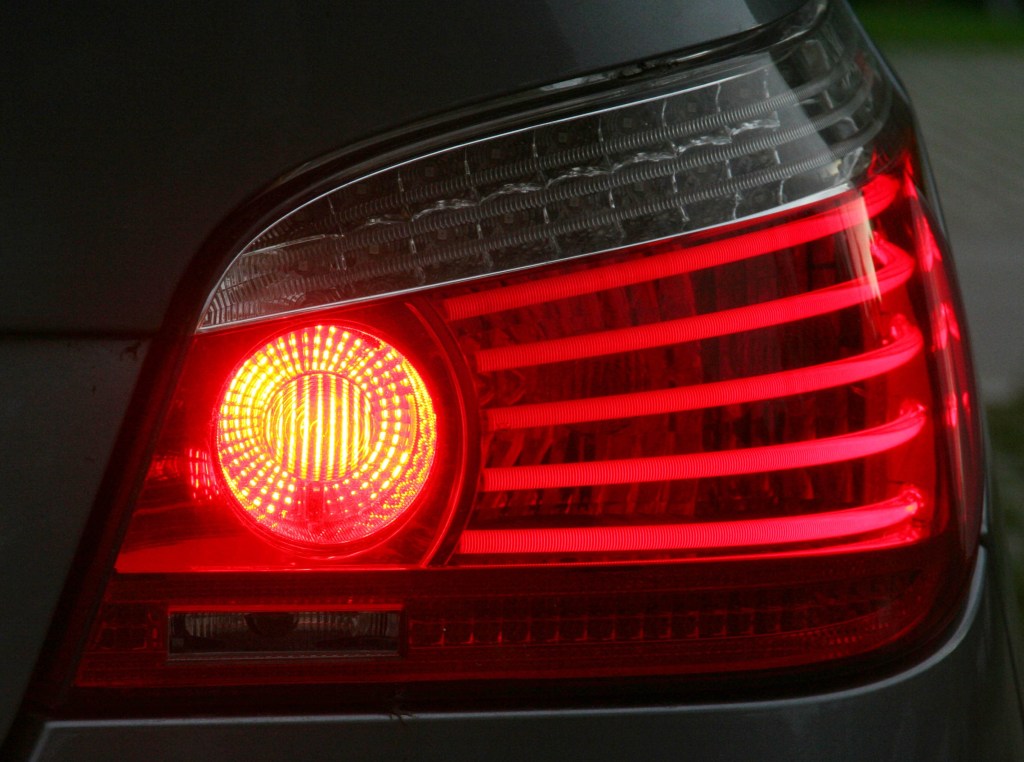
Your brake lights tell other drivers that you are stopping or stopped. Your brake lights should come on automatically when you use the foot brake. Most vehicles have at least 3 rear brake lights – two in the taillight and one bar usually mounted in or around the rear windscreen.
When your hazard lights go on, both your left and right indicators will flash at the same time as a warning to other vehicles. All vehicles also have hazard lights – you can usually turn them on using the red upside-down triangle on the dashboard. Your hazard lights should only be used if you are pulled over because your vehicle is broken down and you are waiting for assistance (you should also open your boot and bonnet in fine weather to alert other drivers in a more obvious way that you are pulled over), or, when you’re changing a tyre on a road, or you’re being towed or towing another vehicle.